

 Image 1 of 2
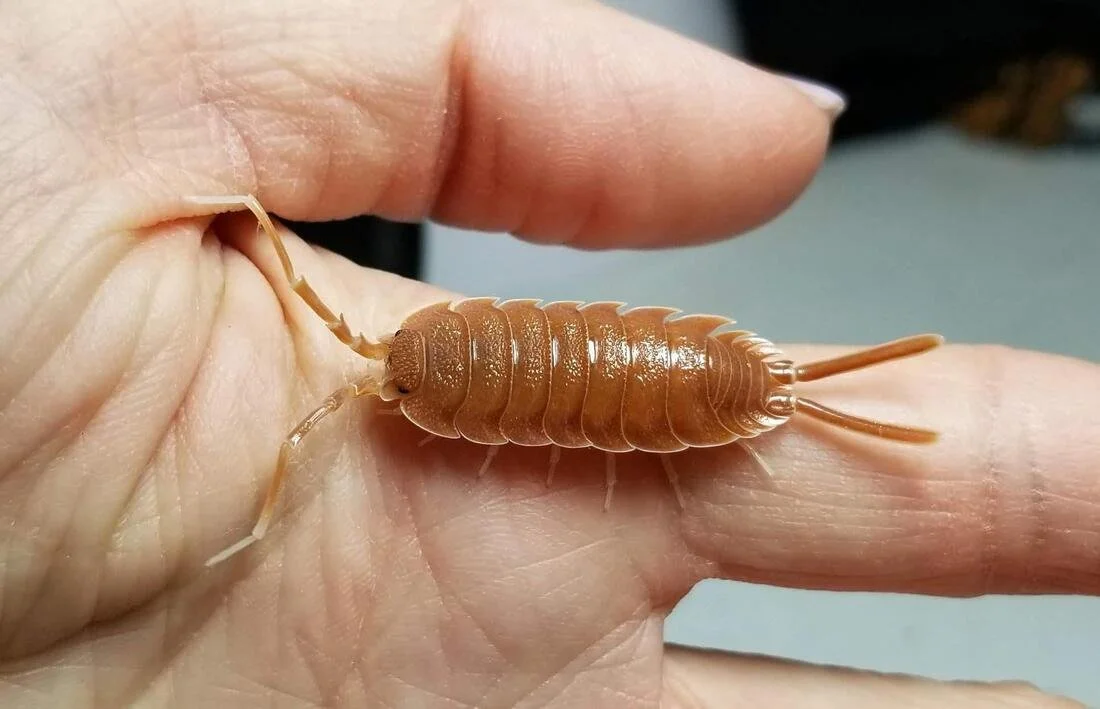 Image 2 of 2
Culture consists of 5 isopods.
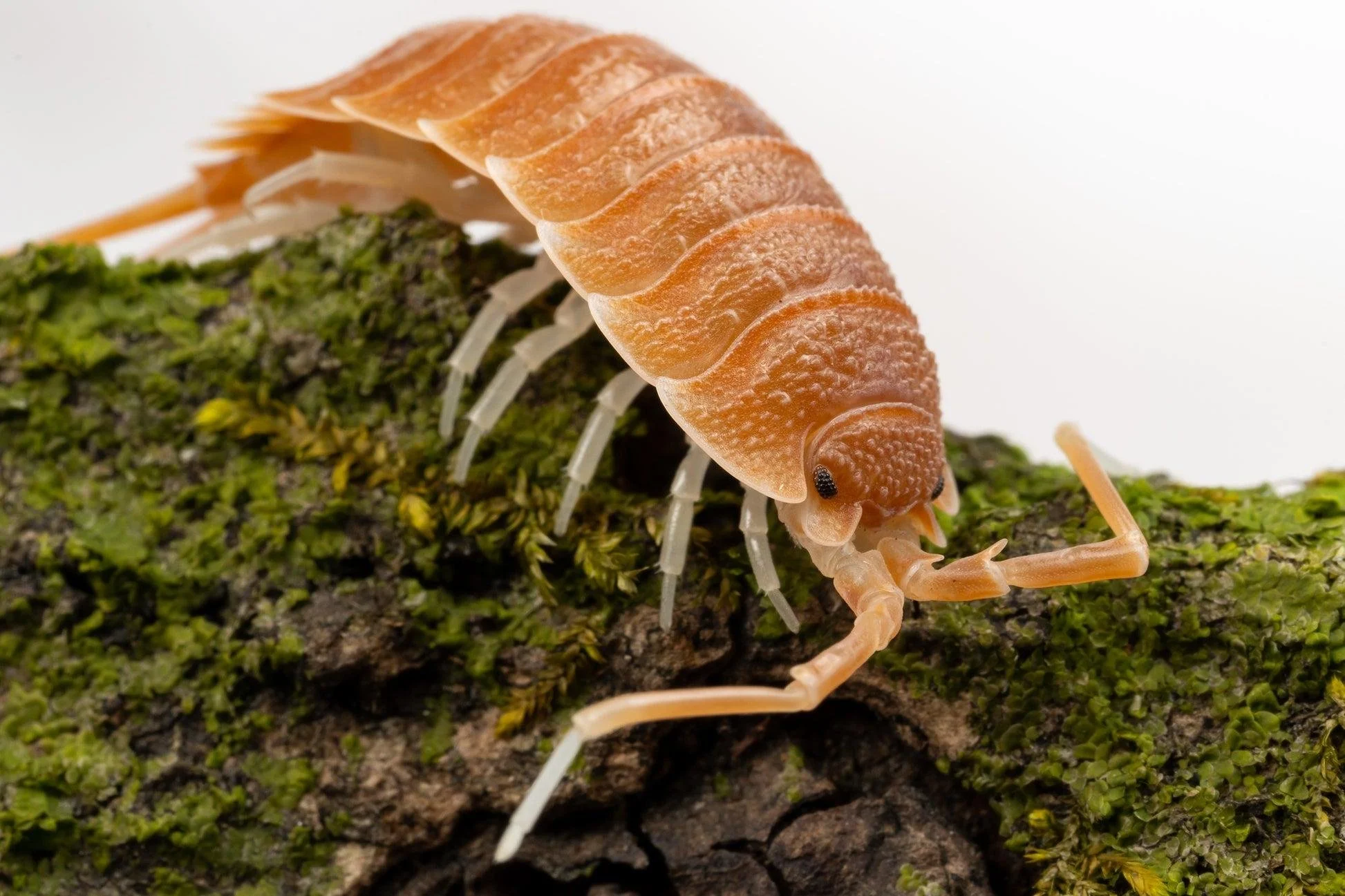
Porcellio magnificus is an impressive, large-bodied Spanish isopod known for its size, robust build, textured exoskeleton, and striking coloration. Adults can reach around 2.5–3.5 cm, with contrasting darker body tones and warm orange or reddish coloration along the sides that give them a bold appearance.
Unlike roly-poly species, Porcellio magnificus cannot roll into a ball when threatened. They are active, quick-moving, and interesting to observe as they forage, explore, and utilize their hides. This species is best suited to a well-ventilated enclosure with a predominantly dry environment and a dependable moist refuge.
Due to their size, ventilation requirements, and more particular moisture needs, they are a rewarding species for keepers ready to move beyond the easiest beginner isopods.
Temperature: 68–77°F. Stable room temperatures work well. Avoid prolonged excessive heat and sudden temperature swings.
Humidity: Low to moderate overall, with a distinct moisture gradient. Keep approximately one-quarter of the enclosure moist while the remaining area stays relatively dry.
Substrate: 3–4 inches of organic substrate containing soil, leaf mold, decaying hardwood, and mineral-rich components. Provide a deeper substrate layer where possible.
Ventilation: High ventilation is important. Provide generous cross-flow airflow while ensuring the moist refuge remains damp beneath the surface.
Hides: Provide flat cork bark, hardwood slabs, dry leaf litter, and a dedicated damp moss refuge. Multiple hiding spaces help reduce competition.
Lighting: No special lighting required. Ambient room lighting is sufficient; avoid direct sunlight and excessive heat.
Porcellio magnificus feed primarily on dried hardwood leaves, decomposing wood, and other organic material. Supplement with vegetables such as squash, carrot, or sweet potato, along with regular protein sources such as dried shrimp or fish-based foods. A calcium source such as cuttlebone or calcium-rich mineral material should always be available.
Keep roughly one-quarter of the enclosure moist and the remainder relatively dry.
Maintain strong ventilation to prevent stagnant air and excessive moisture buildup.
Provide plenty of dry leaf litter and decomposing hardwood at all times.
Offer protein regularly to support their large size, growth, and reproduction.
Remove uneaten fresh food before it spoils or attracts mites.
Provide a spacious enclosure with several hides and multiple feeding locations.
They are fast and cannot roll into a ball, so use a catch cup when moving them instead of handling them roughly.
Avoid excessive disturbance while the colony settles and grows.
Difficulty: Intermediate
Porcellio magnificus is a fantastic species for keepers who enjoy large, impressive, and active isopods. Their substantial size, bold appearance, and unique behavior make them a standout in any collection, especially when given a spacious, well-ventilated enclosure and a carefully maintained moisture gradient.