

 Image 1 of 3
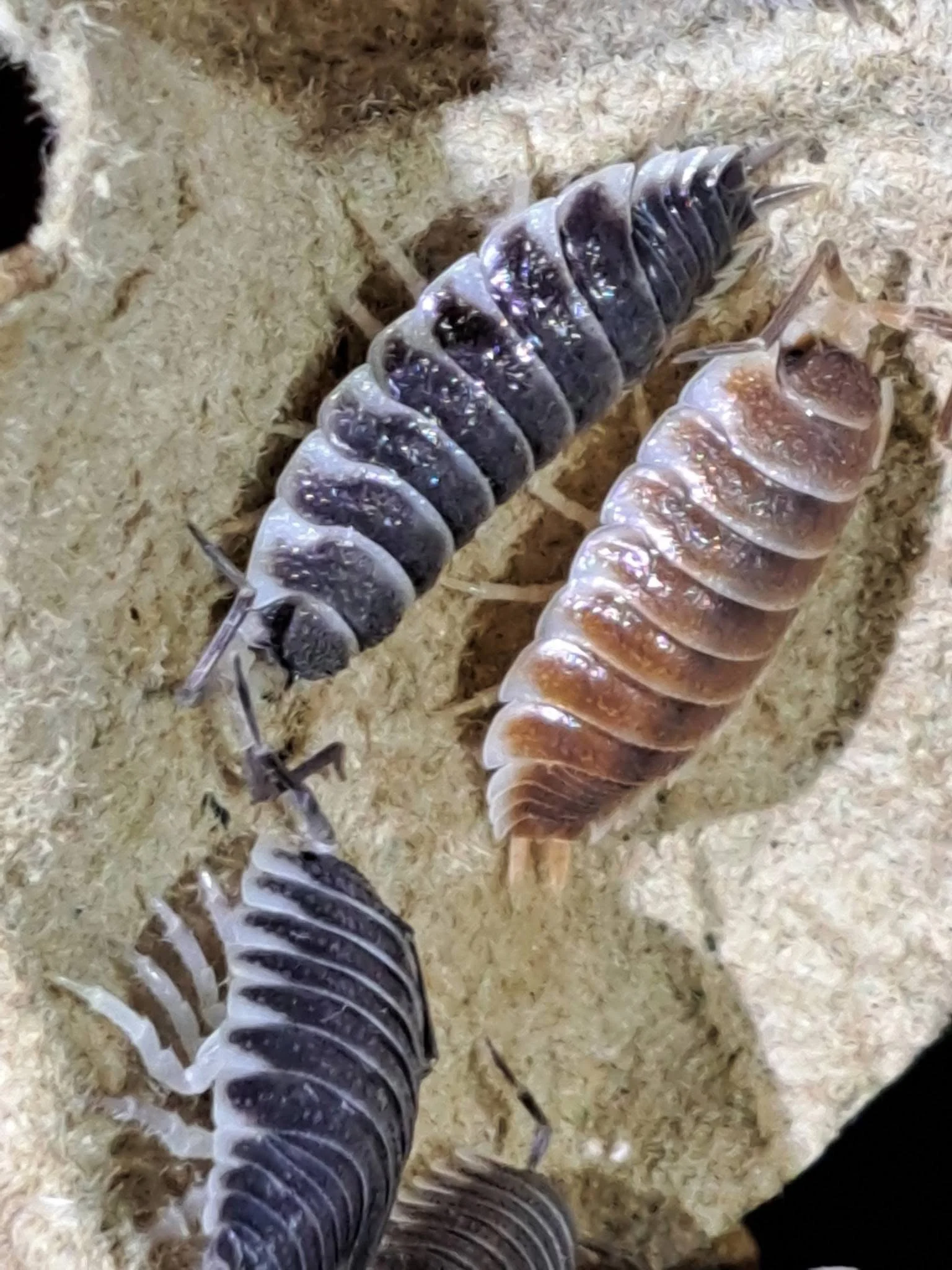 Image 2 of 3
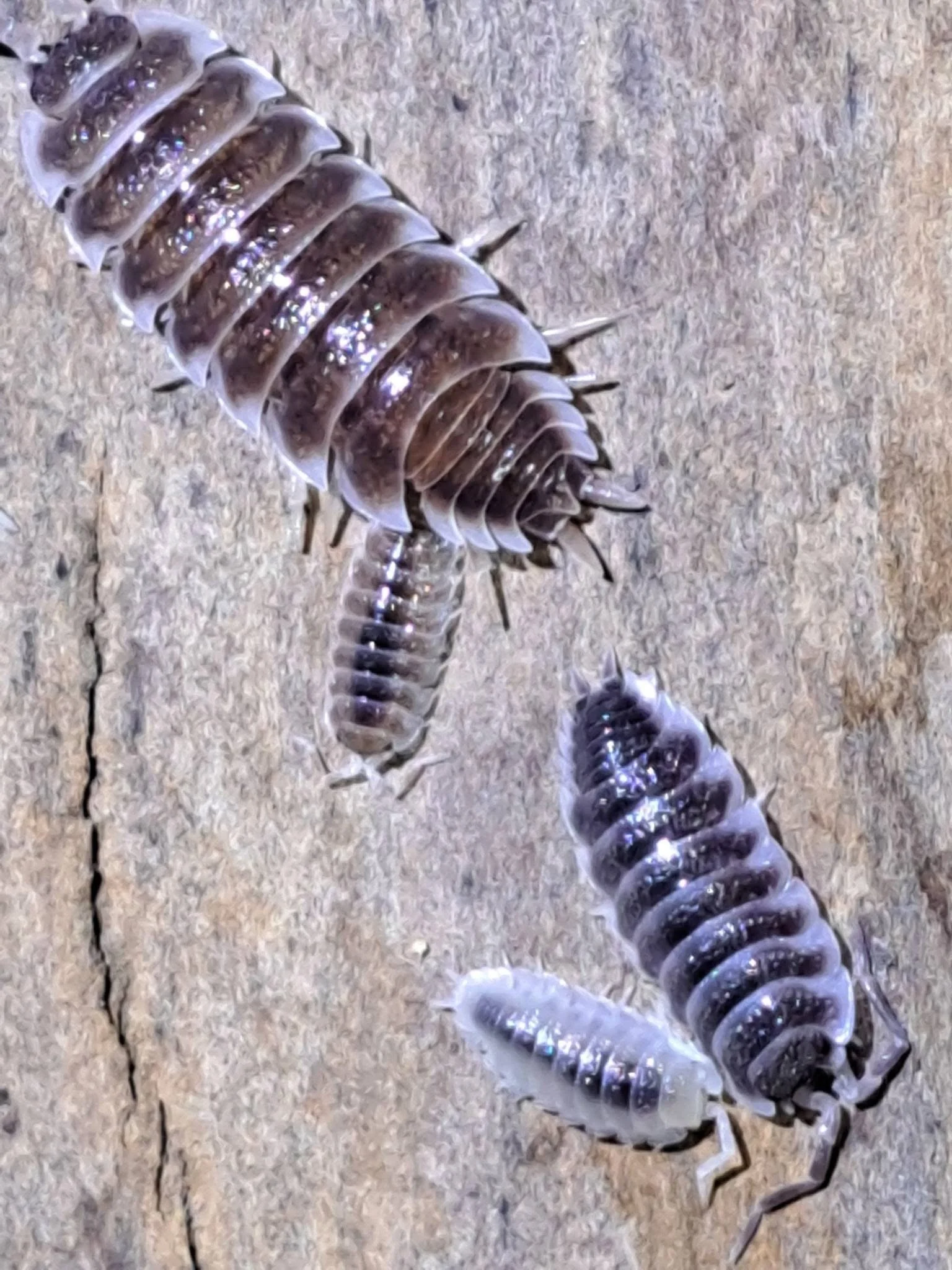 Image 3 of 3
Culture consists of 10 isopods.
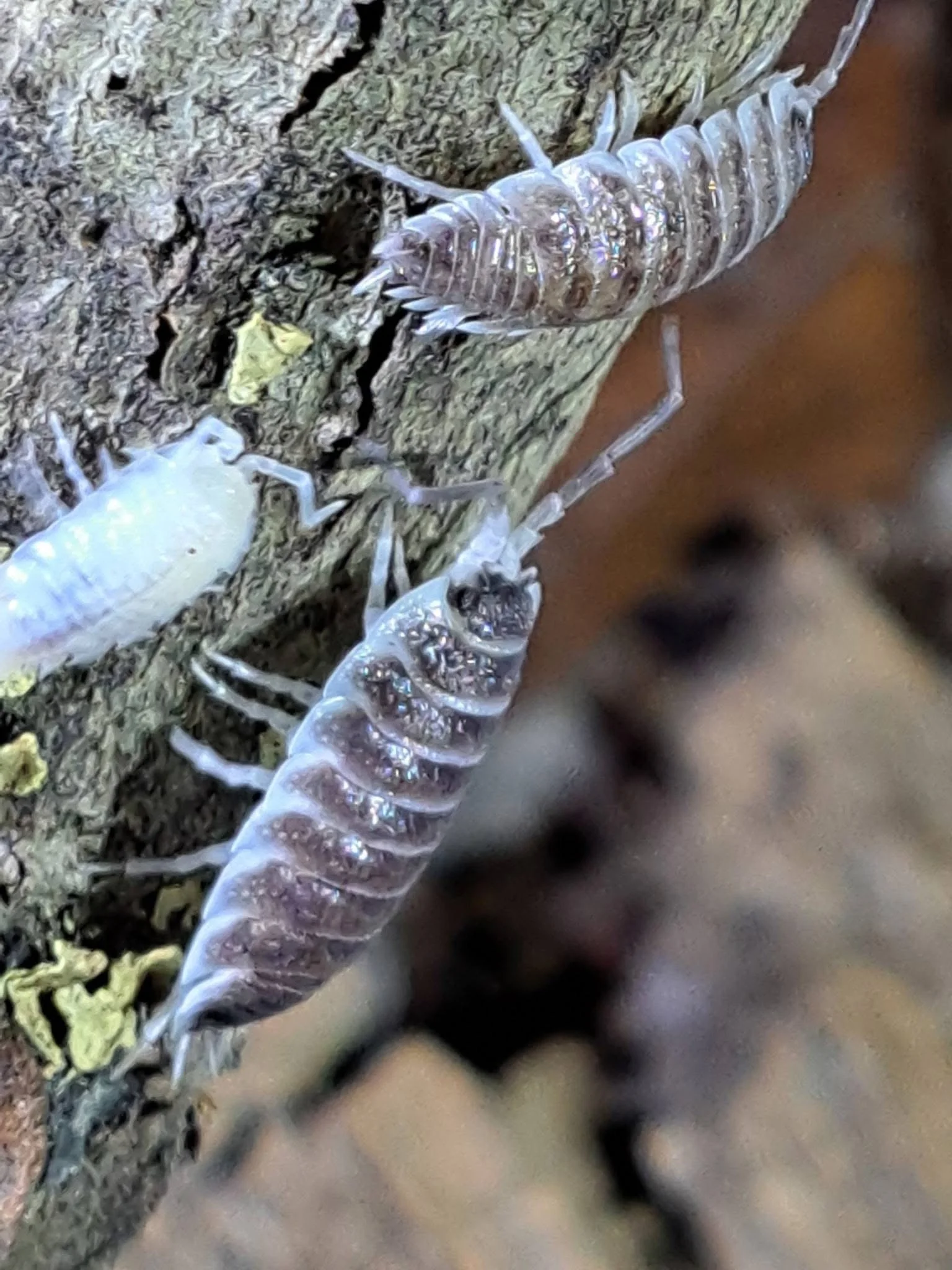
This is for a morph mix assortment of Porcellio hoffmannseggii, offering a variety of shades and appearances within one culture. This large, robust species is known for its impressive size, active behavior, and bold presence. A mixed culture adds extra visual variety, with individual isopods displaying different color tones and patterns depending on the mix. These guys are HUGE.
Porcellio hoffmannseggii is a large Iberian species that thrives in a well-ventilated enclosure with a mostly dry environment and a dedicated moist refuge. These isopods are an excellent choice for keepers interested in larger, more unusual species and enjoy observing their behavior, growth, and colony development.
Coloration and patterns may vary within the mix, and specific colors or morphs are not guaranteed.
Temperature: 68–77°F. Stable room temperatures are generally suitable. Avoid prolonged excessive heat, especially temperatures above 80°F.
Humidity: Low to moderate overall, with a distinct moisture gradient. Keep approximately one-quarter of the enclosure moist with damp moss, while the remaining area stays relatively dry.
Substrate: 3–4 inches of organic, mineral-rich substrate containing soil, decomposing hardwood, leaf litter, and optional sand or limestone-based mineral material.
Ventilation: High ventilation is important. Provide generous airflow through the lid and sides while maintaining a reliably moist refuge.
Hides: Provide broad cork bark, decaying hardwood, dry leaf litter, and separate hiding spaces to reduce competition and crowding.
Lighting: No special lighting required. Ambient room lighting is sufficient; avoid direct sunlight and excessive heat.
Rainbow Mix Isopods feed primarily on dried hardwood leaves and decaying wood. Because of their large size, they benefit from supplemental feeding with vegetables, protein-rich foods, and prepared isopod diets. Offer protein regularly in small amounts, and always provide a calcium source such as cuttlebone, limestone, or calcium-rich mineral material.
Keep the majority of the enclosure relatively dry while maintaining one dependable moist refuge.
Use generous ventilation to prevent stagnant air and excessive moisture buildup.
Provide deep substrate with plenty of decaying hardwood and leaf litter.
Offer supplemental protein regularly, but avoid overfeeding and remove leftovers before they spoil.
Provide multiple hides and feeding spots to help reduce competition within the colony.
These are large, active isopods and benefit from more floor space than smaller species.
Allow new cultures to settle and avoid unnecessary disturbance, especially when juveniles are present.
Colony growth is generally moderate rather than explosive, so patience is important when establishing a breeding culture.
Difficulty: Intermediate
Rainbow Mix Isopods are a fantastic option for keepers looking for a larger, colorful, and more distinctive species. Their impressive size, mixed coloration, and active behavior make them a rewarding addition to a collection, especially for hobbyists ready to provide a spacious enclosure with excellent ventilation and a carefully maintained moisture gradient.