

 Image 1 of 2
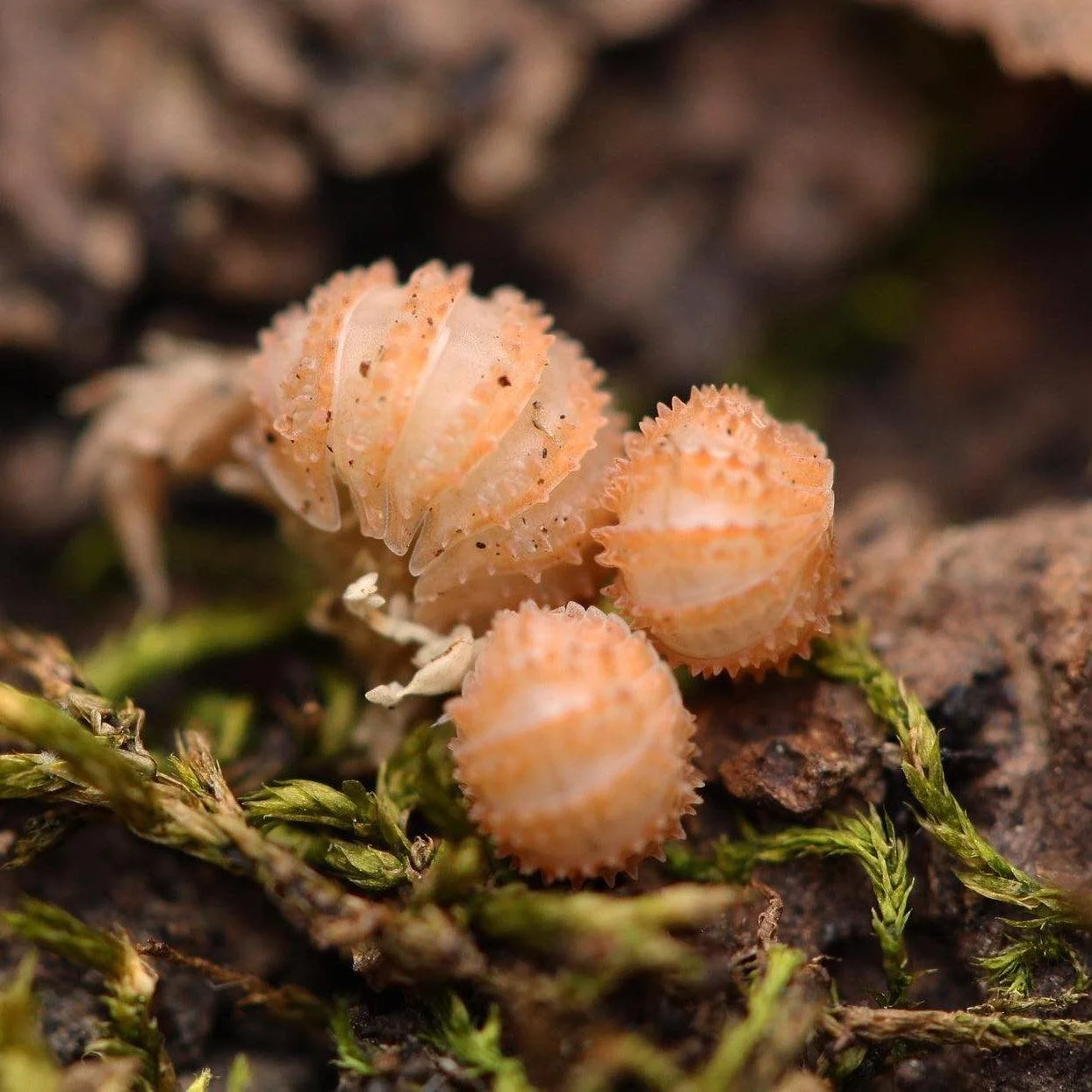 Image 2 of 2
Culture consist of 10 isopods.
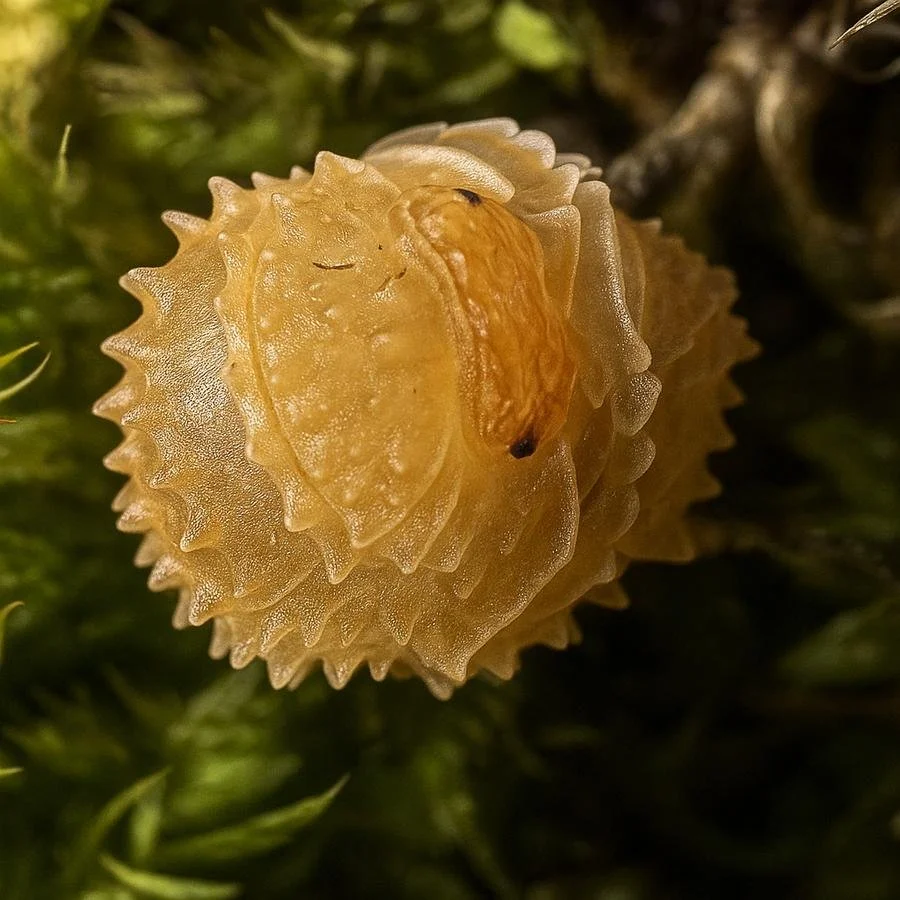
Pineapple Spiky Isopods are a unique, miniature species known for their distinctive textured, spiky exoskeletons and beautiful yellow-orange to peach coloration. Native to Spain, these small, slow-growing isopods are a great addition for hobbyists looking for something unusual and eye-catching. They prefer stable conditions, good ventilation, a moisture gradient, and plenty of natural leaf litter.
Husbandry & Care
Temperature: 70–78°F. Avoid excessive heat and rapid temperature fluctuations.
Humidity: Maintain a moisture gradient with one side moist and the other relatively dry.
Substrate: Provide 2–3 inches of moisture-retaining substrate enriched with decaying hardwood and leaf litter.
Ventilation: Good cross-ventilation is important. Avoid stagnant air and waterlogged substrate.
Hides: Provide cork bark, leaf litter, and moss for shelter and moisture retention.
Lighting: No special lighting required; ambient room lighting is sufficient. Avoid direct sunlight.
Diet
Leaf litter and decaying hardwood should always be available. Supplement occasionally with small amounts of vegetables such as carrot, squash, or zucchini, along with protein sources such as fish flakes, shrimp, or dried insects. Provide a calcium source at all times, such as cuttlebone or crushed eggshell.