

 Image 1 of 2
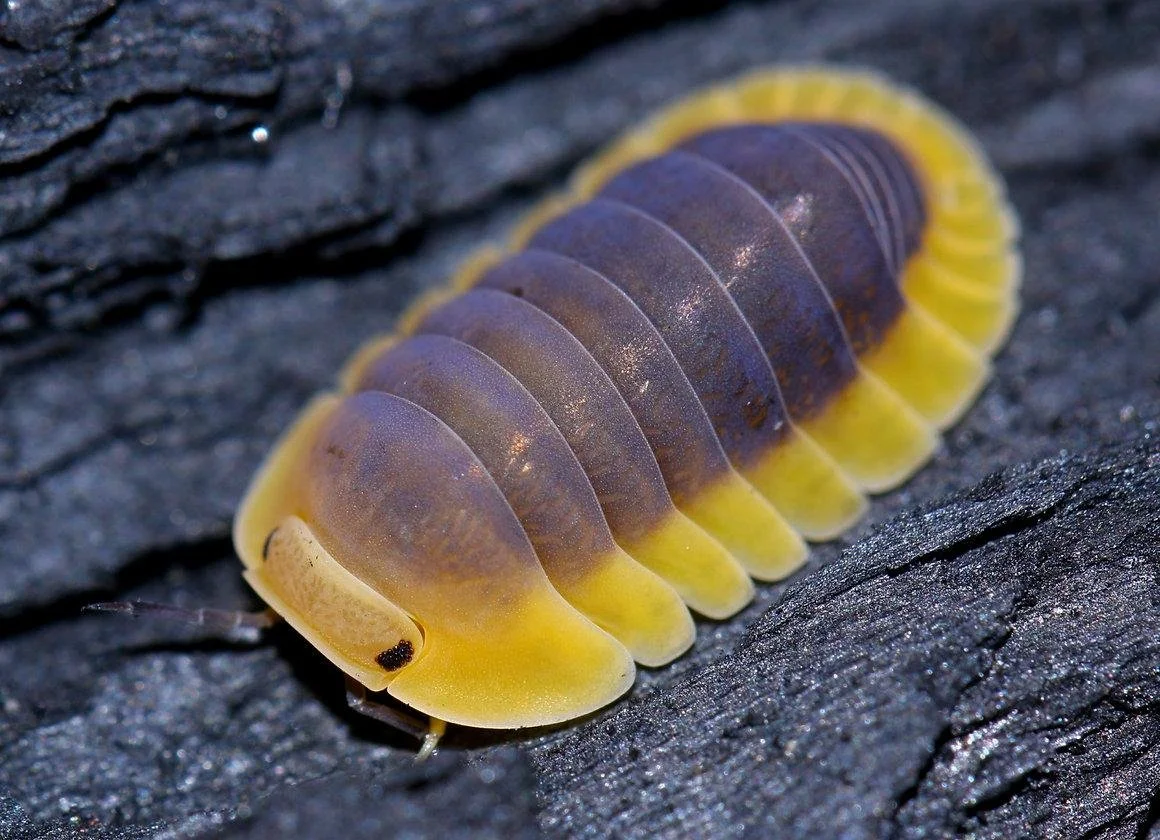 Image 2 of 2
Culture consists of 10 isopods.
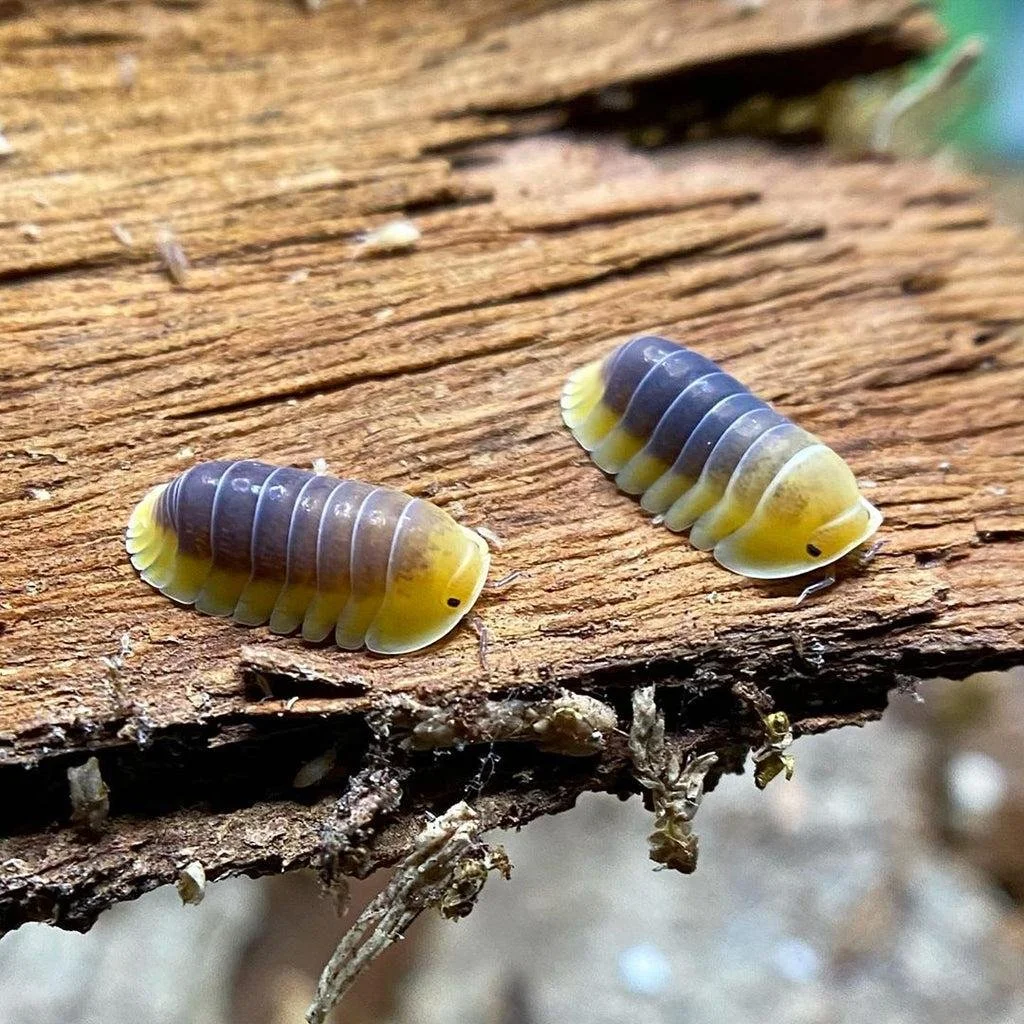
Lemon Blue Isopods are a stunning tropical Cubaris variety featuring a beautiful contrast between their blue-gray to powder-blue bodies and bright lemon-yellow edging. Their distinctive two-tone coloration gives them an almost jewel-like appearance, making them a highly sought-after addition to specialty isopod collections.
Native to Southeast Asian hobby stock and commonly associated with Thailand, Lemon Blues are a slow-to-establish, rewarding species for keepers who appreciate unique coloration and the challenge of maintaining a tropical colony. They tend to be shy and spend much of their time beneath leaf litter, cork bark, and within the substrate, becoming more active when conditions are comfortable.
Like many specialty Cubaris, they prefer stable warmth, humidity, moisture-retentive substrate, gentle airflow, and minimal disturbance while establishing.
Temperature: 72–78°F. Stable warmth is preferred. Avoid sudden temperature fluctuations and prolonged excessive heat.
Humidity: High humidity with a moisture gradient. Maintain a consistently damp area with sphagnum moss while providing a slightly less moist area for choice. Do not allow the enclosure to dry out.
Substrate: 3–4 inches of moisture-retentive organic substrate containing soil, decomposing hardwood, leaf litter, and sphagnum moss. Calcium-rich mineral material may be incorporated.
Ventilation: Gentle to moderate cross-ventilation is recommended. Maintain humidity without allowing stagnant air or excessive condensation.
Hides: Provide cork bark, decaying hardwood, thick leaf litter, and damp sphagnum moss to create secure hiding areas and moisture refuges.
Lighting: No special lighting required. Ambient room lighting is sufficient; avoid direct sunlight and excessive heat.
Lemon Blue Isopods feed primarily on decomposing leaf litter and rotting hardwood. Supplement occasionally with vegetables, protein-rich foods, and prepared isopod diets. A calcium source such as cuttlebone, limestone, or calcium-rich mineral material should always be available.
Maintain a warm, stable enclosure and avoid sudden changes in temperature or moisture.
Keep one side consistently moist with sphagnum moss while maintaining a slightly less moist area.
Provide a thick layer of leaf litter and decaying hardwood as a continuous food source.
Offer small amounts of supplemental protein periodically to support growth and reproduction.
Remove uneaten fresh food before it spoils or develops excessive mold.
Lemon Blues can be shy and spend considerable time hidden, particularly while establishing. Avoid repeatedly digging through the substrate.
Allow new cultures plenty of time to settle before expecting visible breeding activity.
Coloration can become more pronounced as individuals mature, and younger isopods may appear less vibrant than adults.
Difficulty: Intermediate
Lemon Blue Isopods are a fantastic choice for keepers looking for an unusual tropical species with striking blue and yellow coloration. Their beautiful contrast, calm behavior, and rewarding colony development make them a standout addition to a specialty isopod collection.